

Breast Reduction Surgery
Breast enlargement (macromastia) is not only an aesthetic concern for women but also a significant health problem. It can be considered an aesthetic issue because overly large breasts may prevent women from wearing the clothes they prefer, moving comfortably, or participating in sports and physical activities. In short, it can negatively affect a person’s quality of life.
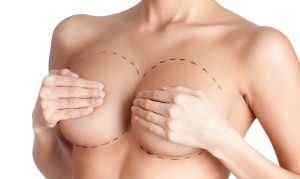
Large breasts can also cause several health-related problems. The weight of the breasts may lead to posture disorders such as leaning forward or a hunched back, skin irritation and sweating under the breasts, back and neck pain, and psychological difficulties—especially among young women—which may affect their social life.
In breast reduction surgery, also known as reduction mammoplasty, excess breast tissue is removed and the breasts are reshaped. The nipples are repositioned to achieve a more aesthetic appearance, while also relieving physical discomfort and improving the patient’s overall quality of life.
At What Age Can Breast Reduction Surgery Be Performed?
Breast aesthetic surgeries are generally performed from the age of 17–18, although in some exceptional cases they may be performed at an earlier age.
Breast enlargement may occur due to genetic factors, pregnancy, or weight gain, leading to the need for reduction surgery. However, some individuals with a slim body structure may also require breast reduction due to disproportionately large breasts.
Which Techniques Are Used in Breast Reduction Surgery?
Several surgical techniques can be used for breast reduction. In most of these techniques, the milk ducts are preserved, allowing patients to breastfeed in the future. The breastfeeding rate after breast reduction surgery is approximately 70%.
Although different techniques exist, most procedures involve an incision that extends downward from the nipple or an inverted T-shaped incision. The appropriate technique is determined during the preoperative examination by evaluating the breast size, degree of deformity, and skin elasticity.
What Should Be Known Before Breast Reduction Surgery?
It is beneficial to come to the consultation with ultrasound and mammography results, as this helps with accurate diagnosis.
If large breasts have caused discomfort for many years, patients may wish for a significant reduction. However, achieving a size proportional to the body structure is important for a natural and aesthetic result.
Op. Dr. Ercan Demiray determines the surgical technique and incision method according to the patient’s body structure and characteristics.
Patients should openly discuss details such as whether they have given birth or plan to have children in the future during the consultation. It is recommended to ask any questions and fully understand the procedure before surgery.
What Type of Anesthesia is Used and How Long Does the Surgery Take?
Breast reduction surgery is typically performed under general anesthesia and takes approximately 2.5 to 3 hours. Patients usually stay in the hospital for one night after the procedure.
This surgery is generally not associated with severe pain, and recovery is relatively quick. Once the procedure is completed, the breasts do not grow back due to the surgery itself.
Can Breast Reduction Be Combined with Other Cosmetic Procedures?
Yes. Depending on the patient’s suitability, breast reduction surgery can be combined with other procedures such as:
Liposuction
Tummy Tuck (Abdominoplasty)
Rhinoplasty
Eyelid Surgery (Blepharoplasty)
Does Breast Reduction Surgery Increase the Risk of Breast Cancer?
Breast reduction surgery does not increase the risk of breast cancer. In fact, breast cancer is observed less frequently in women who have undergone breast reduction surgery.
After surgery, patients often experience a significant improvement in daily comfort and quality of life. As with all women, patients should continue regular routine breast examinations and screenings.
Is Nipple Sensation Lost After Surgery?
Temporary numbness in the nipple area may occur in the early postoperative period. However, when the surgery is performed by experienced surgeons, sensation usually returns gradually over time.
What Should Be Done Before Surgery?
Patients should fast for approximately 8–9 hours before surgery, following the instructions given by the surgeon.
Smoking and alcohol consumption should be stopped before the procedure.
Choose comfortable clothing with front buttons for easier dressing after surgery.
Herbal teas, blood-thinning medications, and certain vitamins should be discontinued about 7–10 days before surgery.
Inform your doctor about any medications you are currently using and any previous medical conditions. These details will also be reviewed by the medical staff.
Will There Be Scars After Breast Reduction Surgery?
The location of the incisions made during surgery will be determined by your plastic surgeon according to your anatomy. As with all aesthetic procedures, the surgeon’s experience and expertise play a significant role in achieving successful results.
When incisions are placed along natural body lines, the scars usually become faint and blend with these natural folds over time. However, scar visibility may vary from person to person, so the details should be discussed with Op. Dr. Ercan Demiray during the consultation.
Most patients who undergo breast reduction surgery find that the relief from back pain, skin irritation under the breasts, unpleasant odors, and social discomfort outweighs the presence of faint scars.
What Are the Prices for Breast Reduction Surgery?
Due to legal regulations, we are unable to publish breast reduction surgery prices on our website. The cost of the procedure varies depending on the patient’s individual condition and treatment plan, so a personalized price can be provided during the consultation.
You can request a consultation appointment through the contact forms on our website to visit our clinic located on Bağdat Avenue in Istanbul.