

Facelift and Facial Rejuvenation
As the years pass, the effects of gravity, harmful sun exposure, excessive use of facial muscles, daily stress, frequent weight fluctuations, and genetic factors can lead to visible signs of aging on the face. Over time, lines around the lips and cheeks deepen, the cheeks and jowls begin to sag, and fat accumulation and folds may develop in the neck area.
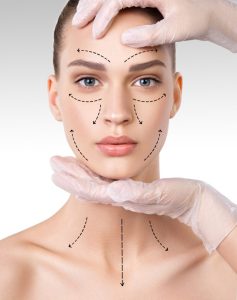
Facelift and facial rejuvenation procedures help restore a youthful appearance by removing excess fat, tightening loosened muscles, and reshaping sagging skin. As a result, the face regains a more youthful, vibrant, and natural look.
Facelift surgery is often performed together with eyelid surgery, forehead lifting, or brow lift procedures. When necessary, additional treatments such as rhinoplasty, cheekbone augmentation, fat injections for wrinkles, laser treatments, botox applications, and chin reshaping may also be included in the treatment plan.
Facelift Surgery
Facelift surgery consists of surgical procedures aimed at eliminating the signs of aging that appear in the facial area due to advancing age and various other factors. The main goal of a facelift is to provide the patient with a natural and youthful facial appearance.
Sagging skin and deep wrinkles can give the face a tired, sad, and older expression. This can negatively affect a person’s psychology, particularly for women. When these deformities are corrected through facelift or facial rejuvenation procedures, patients can often achieve a look that appears 10–15 years younger.
Since sagging skin, excess fat tissue, and deep folds are addressed during the procedure, the cheeks, corners of the mouth, and neck area appear firmer, more vibrant, natural, and dynamic. The surgical scars are usually well hidden and therefore are not a concern for most patients.
Although facelift procedures are generally performed on middle-aged and older patients, younger individuals with facial deformities caused by genetic factors can also benefit from this surgery.
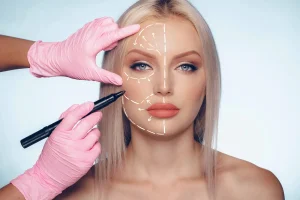
What Are the Signs of Facial Aging?
Signs of aging on the face may include:
* Deepening lines around the lips and cheeks
* Sagging cheeks
* Sagging and fat accumulation in the neck area
* Formation of folds in the neck
* Looseness or sagging under the chin
Factors That Cause Facial Aging
Several factors can contribute to the deterioration of facial aesthetics:
* Advancing age
* Genetic predisposition
* The effect of gravity
* Intense exposure to harmful sunlight
* Smoking
* Frequent weight gain and loss
* Stressful lifestyle
* Excessive facial expressions
* Prolonged computer use
Who Can Have Facelift Surgery?
Facelift surgery may be suitable for:
* Individuals generally over the age of 40
* People under 40 who have noticeable sagging in the face, neck, or around the mouth
* Individuals with sagging cheeks
* Those with deep and pronounced lines around the lips and cheeks
* People with sagging, fat accumulation, or folds in the neck area
* Individuals without serious health problems that would increase surgical risk
* Patients who are psychologically prepared and have realistic expectations about the results
How Is Facelift Surgery Performed?
Before surgery, the patient’s overall health condition is carefully evaluated. Patients who smoke are advised to stop smoking for a period before and after the operation. During the preoperative examination, the plastic surgeon assesses factors such as alcohol and smoking habits, as well as existing medical conditions like hypertension, cardiovascular diseases, or liver problems.
The surgical plan is created individually for each patient by considering:
* Skin quality
* Bone structure
* Amount and distribution of fat tissue
* Degree of sagging
* The severity of deformities in the face and neck
Based on these factors, a personalized treatment plan is developed to achieve the most natural and effective results.